
What is Bail in India? Types, Legal Rules & How to Get Bail Fast

Every person stands free unless a court says otherwise – that idea shapes how bail works in India. Protected by Article 21, it guards freedom when someone faces charges. Though not automatic, release before trial depends on fair legal steps carefully followed. One wrong move can delay justice for weeks.
Handling such moments needs a sharp understanding of rules and courts. Based in Navi Mumbai, Advocate Dhanashree A. Bankhele builds strong cases to win temporary freedom. Her work unfolds across different levels of the judiciary. Outcomes often rest on small details only experienced hands catch.
Bail rules in India matter more now that the old CrPC is being replaced by the BNSS in 2026. Since the change brings new procedures, knowing how bail works can shape outcomes for people facing charges. Though laws evolve slowly, this shift arrives at a time when clarity could mean freedom.
For anyone caught in the system, small differences in wording may tip the balance. While courts adapt, individuals must grasp what the updates allow. Because justice moves fast once cases begin, preparation ahead makes a difference. Even slight delays might affect whether someone stays free during trial.
Understanding Bail in India?
Out in the world again, someone charged with a crime might walk free before trial – on one condition. Their promise to show up later, sealed through a bond, makes it possible. Freedom waits when paperwork stands in for jail time. Showing your face in court becomes the price of staying out. This deal holds only if each date on the calendar gets honored. The system allows space to breathe, just as long as you return when called.
Bail’s main aim isn’t about setting offenders free, says Adv. Dhanashree A. Bankhele – rather, it shields people from the strain of being locked up before trial, where suffering may match punishment handed down later.
Contact now- 91 9967315556
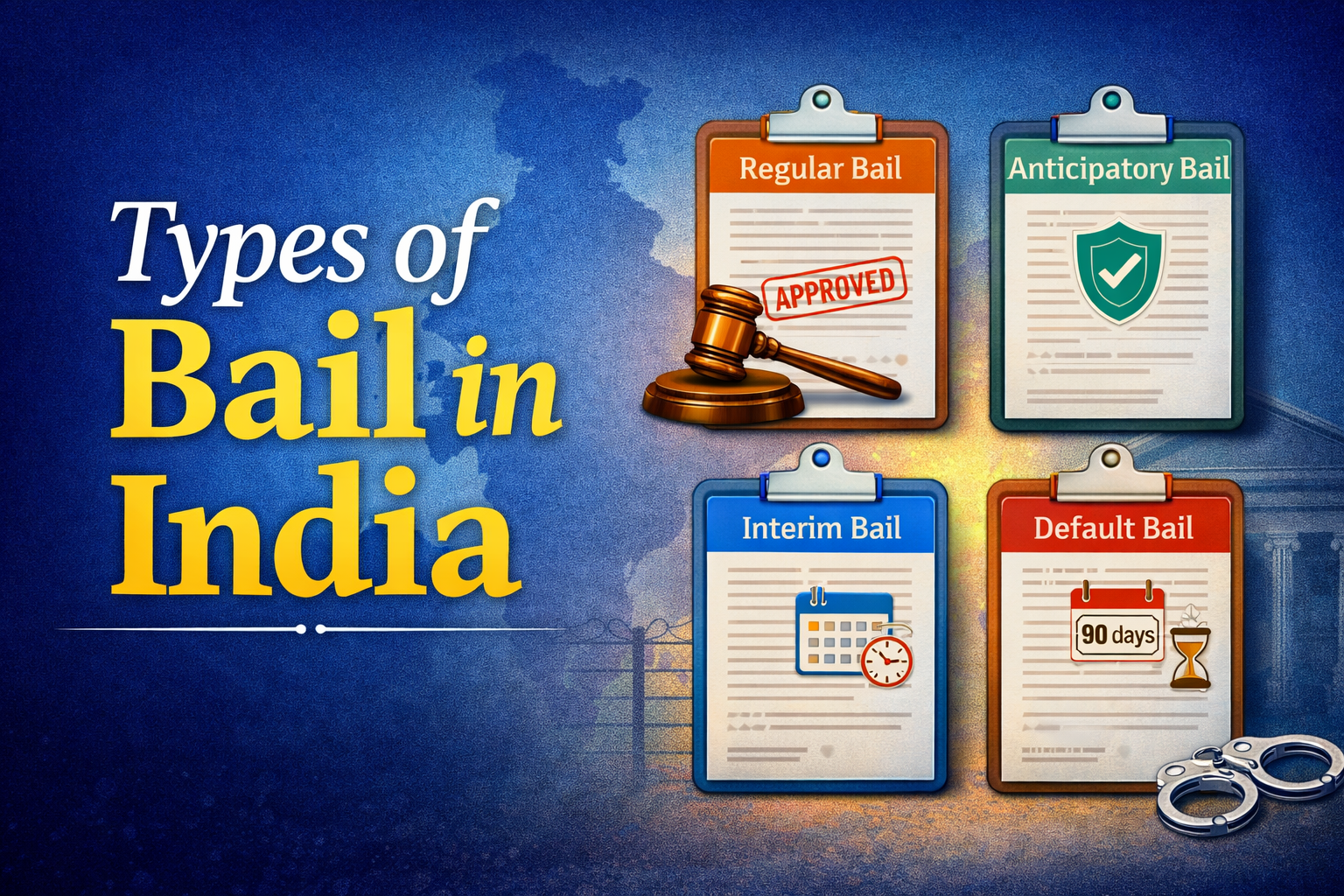
Types of Bail in India
Bail types in India shift based on where the case stands and what crime is involved. To grasp them clearly, talking with a lawyer in Navi Mumbai – such as Adv. Dhanashree A. Bankhele – makes a real difference.
1. Regular Bail
A person locked up by police might seek regular bail next. This step comes after arrest, once they are held under legal authority. Court becomes the place where freedom awaits a decision. Held individuals often turn here for release during proceedings.
- Legal Shift: Bail rules once lived in Sections 437 and 439 of the CrPC. Now they sit within Sections 480 and 483 of the BNSS. That shift marks where things stand today.
- Authority: Besides a Magistrate, authority might come from the Court of Sessions – sometimes even the High Court steps in. Power shows up through one of these routes, never outside them.
2. Anticipatory Bail
A person might ask for this kind of bail before being taken into custody. When there’s a real fear of arrest over a serious charge, they can apply ahead of time.
- Legal Provision: Section 438 of CrPC (now Section 482 of BNSS).
- Authority: Bail before arrest? That decision sits with either the High Court or the Court of Sessions. Nobody else can sign off on it.
3. Interim Bail
A break before the decision, interim bail keeps someone out just for now. Not a final answer, it holds things steady during the wait. Though the real request moves forward, this pause blocks custody fast. Without it, arrest might come too soon. The court uses these moments to review what comes next.
4. Default Bail Statutory Bail
Failing to submit the charge sheet on time – within either 60 or 90 days, based on how serious the offense is – means the suspect automatically qualifies for release. That chance comes not by permission, but because delay triggers it outright. Timing slips? Freedom follows, no exceptions. The moment passes, the door opens. Law locks in that window; nothing keeps it shut past due date.
Contact now- 91 9967315556
When Bail Can Be Given
Bail never comes just because someone asks. With help from lawyer Adv. Dhanashree A. Bankhele, people seeking release need to show clear reasons. What happens often depends on certain points the judges weigh carefully:
- Gravity of Offense: Bail grows tougher when the crime feels darker – think killing or attacks on society. A judge might hesitate if what happened shakes people deeply. Worst acts often stay locked up until trial. Heavy charges weigh like stone on freedom chances. Courts pause longer when blood or fear stains the story.
- Flight Risk: Flight risk gets checked by the judge to see if the person might run. Whether they stay or disappear weighs into what happens next.
- Evidence Tampering: A person might not get bail when officials worry they could mess with proof. Witnesses might be swayed, or key details hidden away. If trust in fairness drops, release gets harder.
- Criminal History: Having never been convicted of a crime tends to support an application more favorably.
- Local Ties: Folks who live in Navi Mumbai might get looked at differently because they know people there. Connections matter when it comes to jobs or how others see their place in town. Living locally often means having relatives nearby plus long-term work history.
| Bail Type | Timing | Jurisdiction |
| Regular | After Arrest | Magistrate / Sessions / High Court |
| Anticipatory | Before Arrest | Sessions / High Court |
| Interim | Pending Decision | Same as original plea |
| Default | No charge sheet in time | Trial Court |
Why Choose Adv. Dhanashree A. Bankhele?
Bail in India often turns on how clearly arguments are made, both in writing and speech. With a track record built over years, Adv. Dhanashree A. Bankhele stands by those accused, guiding their case forward step by careful step.
- BNSS Framework: A fresh look at how rules must be followed under the updated BNSS framework. Step-by-step clarity shapes each move forward.
- Strategic Defense: Bail status shapes how defenses take form – choices shift when freedom hangs in the balance. The courtroom dance changes step depending on this single legal twist.
- Local Insight: She knows Navi Mumbai’s courts well, having worked there for years. Her experience shapes how she handles each case. Court routines, judge habits – these things guide her moves.
- Rights-First Approach: Bail requests always put Article 21 rights first – centered, clear, never sidelined. Protection under law means something real when it shows up early.
Bailable vs. Non-Bailable Offenses
Bail might still happen, even when charges are labeled non-bailable.
- Bailable: Bail comes automatically with bailable offenses.
- Non-Bailable: When crimes do not allow automatic release, courts decide who gets freed. Yet skillful argument can shift that balance – Adv. Dhanashree A. Bankhele shapes defenses aimed at persuasion.
Contact now- 91 9967315556
Conditions Set While on Bail
A judge allows release before trial only if certain rules are followed:
- Passport: Freed hands by placing the passport on the wooden bench where papers get signed.
- Reporting: Turning up at the neighborhood precinct now and then.
- No Contact: Failing to reach out to anyone who saw what happened. Not getting in touch with those present when things went down.
- Travel Restrictions: Staying put unless given the go-ahead – movement beyond borders or even just outside places like Navi Mumbai isn’t allowed without approval.
If these rules aren’t followed, bail might end without warning.
Conclusion
Bail rules in India come tangled in fine print. No matter if it’s regular, interim, or anticipatory bail on the table, sharp legal insight isn’t optional – it’s essential. When stakes run high, clarity matters most – Adv. Dhanashree A. Bankhele stands ready with focused guidance through each twist. Her approach? Steady, precise, grounded in protecting what’s rightfully yours: freedom backed by rigorous legal skill.
Contact now- 91 9967315556
FAQs
1. What is bail in India?
Bail in India is the temporary release of an accused person before trial, granted on the condition that they appear in court as required. It ensures personal liberty while legal proceedings continue.
2. What is the purpose of bail in criminal law?
The primary purpose of bail is to protect an individual from unnecessary pre-trial detention while ensuring their presence during court proceedings.
3. What are the main types of bail in India?
The main types include regular bail, anticipatory bail, interim bail, and default (statutory) bail, each applicable at different stages of a criminal case.
4. What is regular bail and when can it be applied?
Regular bail is applied after a person has been arrested. It is granted by a Magistrate, Sessions Court, or High Court depending on the case.
5. What is anticipatory bail in India?
Anticipatory bail is a legal protection granted before arrest when a person fears being taken into custody for a non-bailable offense.
6. What is default bail and when is it granted?
Default bail is granted when the investigating agency fails to file a charge sheet within the prescribed time (usually 60 or 90 days), giving the accused a statutory right to bail.
7. What factors do courts consider while granting bail?
Courts consider the seriousness of the offense, risk of absconding, possibility of evidence tampering, criminal history, and the accused’s local ties.
8. What is the difference between bailable and non-bailable offenses?
In bailable offenses, bail is a right. In non-bailable offenses, bail is granted at the discretion of the court based on the facts of the case.
9. What conditions can be imposed while granting bail?
Courts may impose conditions such as surrendering a passport, regular reporting to the police, not contacting witnesses, and travel restrictions.
10. How can a lawyer help in securing bail in India?
A lawyer can prepare strong legal arguments, highlight favorable facts, ensure procedural compliance, and represent the accused effectively before the court.
Check more about – How to File for Judicial Separation in India